
Avoiding Shiny Object Syndrome When Traveling on a Budget
Avoiding Shiny Object Syndrome When Traveling on a Budget
Introduction: SOS
In the world of business and marketing, we often hear the term "Shiny Object Syndrome" (SOS), describing the tendency to be distracted by new and flashy opportunities at the expense of current goals. But have you ever thought about how this phenomenon might apply to your travels?
Importance: Just as in business, SOS can lead to unnecessary distractions and impulse decisions that wreak havoc on your travel budget. For those who are mindful of their spending, avoiding SOS is crucial to ensure a fulfilling and financially sound travel experience.
In this blog post, we will explore what Shiny Object Syndrome is, how it can derail your travel plans, and offer practical tips to stay focused and within your budget. By the end, you'll have a toolkit of strategies to help you enjoy your adventures without falling victim to impulse decisions and unnecessary expenses.

What is Shiny Object Syndrome?
Definition: Shiny Object Syndrome (SOS) is the tendency to be easily distracted by new, exciting, or flashy things, often at the expense of one's original goals or plans. In the context of travel, it refers to the allure of spontaneous, unplanned attractions, activities, or purchases that can lead to overspending and a departure from a well-thought-out budget.
Examples:
Spontaneous Tours: Being drawn to a last-minute, expensive guided tour that wasn't part of your original plan.
Unexpected Purchases: Impulsively buying souvenirs, local crafts, or other items that catch your eye, even if they're not within your budget.
Upgraded Experiences: Opt for luxury experiences, such as a high-end restaurant or a lavish spa day, because they seem enticing at the moment.
Impact: SOS can significantly impact budget travelers by causing them to overspend and deviate from their planned itinerary. This can lead to running out of funds, missing out on pre-planned activities, or having to cut the trip short. In essence, succumbing to SOS can disrupt the balance between enjoying spontaneous moments and maintaining financial discipline, making it harder to have a fulfilling and budget-friendly travel experience.
Planning Your Trip: Setting Priorities
Research:
Thorough Research: Start by researching your destination comprehensively. Look into the must-see attractions, cultural experiences, local cuisine, and free or low-cost activities. Use travel guides, blogs, forums, and review sites to gather information.
Example: If you’re visiting Paris, research not only the major attractions like the Eiffel Tower and Louvre Museum but also hidden gems like local markets and parks that might offer unique experiences without the high costs.
Budgeting:
Setting a Realistic Budget: Establish a travel budget that includes accommodation, transportation, meals, activities, and a contingency fund for unexpected expenses. Allocate specific amounts to each category and stick to them.
Example: Create a spreadsheet detailing your expected daily expenses. Include costs for meals, local transportation, and entry fees for attractions. Adjust your plans if your projected costs exceed your budget.
Prioritization:
Identifying Must-See Attractions: List the top attractions and experiences you don’t want to miss. Prioritize these in your itinerary to ensure you allocate sufficient time and budget for them.
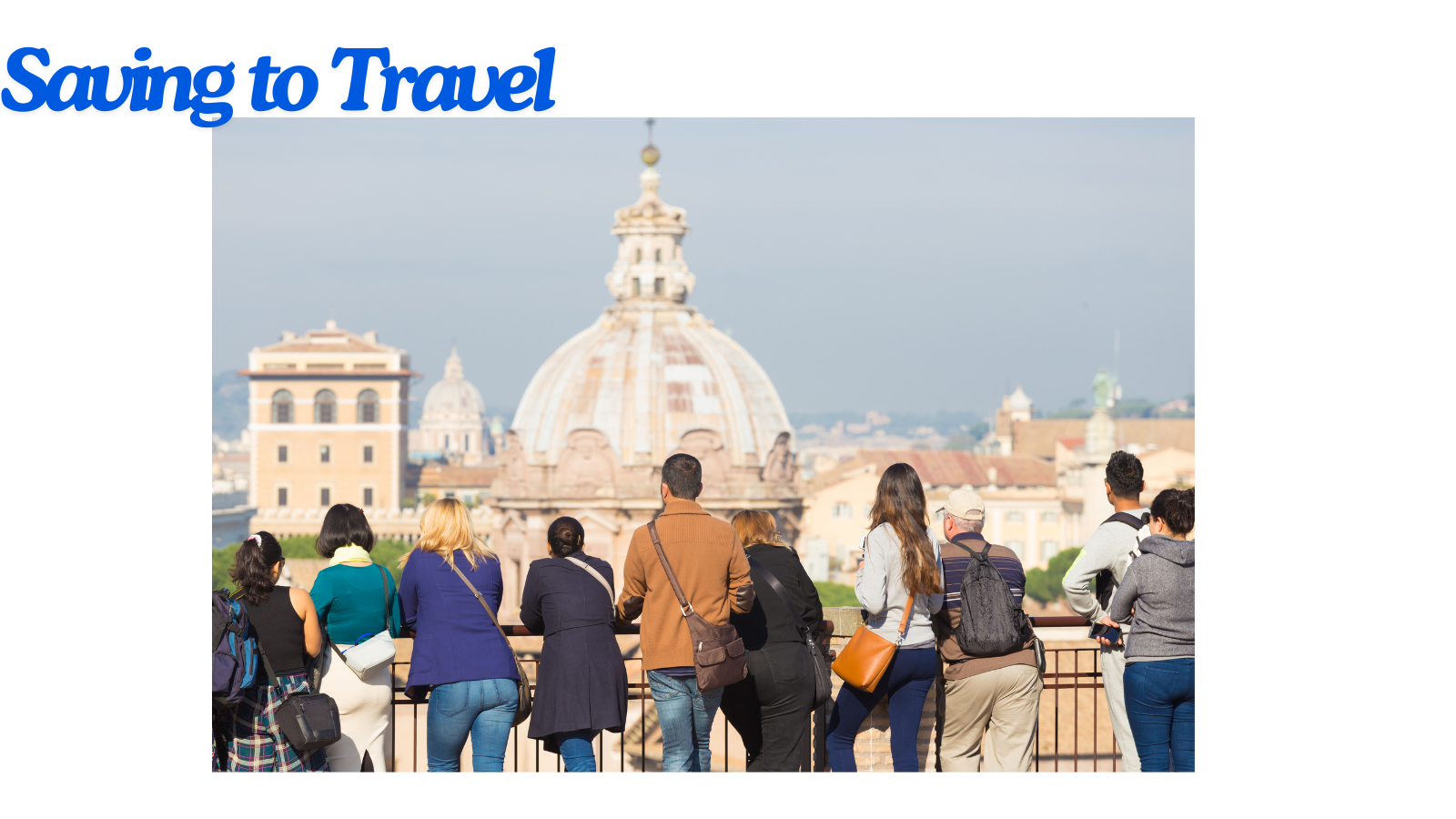
Example: If visiting Rome, you might prioritize the Colosseum, Vatican Museums, and a walking tour of the historic center. Plan these key activities first and fit other experiences around them.
Creating a Flexible Itinerary:
Balanced Planning: Draft an itinerary that includes your must-see attractions while leaving room for spontaneous activities. A flexible schedule allows you to enjoy unplanned experiences without feeling rushed or overwhelmed.
Example: Plan your days with one or two major activities and leave the afternoons or evenings open for exploration, relaxation, or unplanned adventures.
Setting Daily Spending Limits:
Daily Budgets: Determine a daily spending limit based on your overall budget. This helps manage your finances day by day and prevents overspending on any single day.
Example: If your daily budget is $100, allocate portions for meals, activities, and transportation. Track your spending throughout the day to stay within your limit.
Staying Informed About Costs:
Cost Awareness: Keep updated on the costs of local attractions, transportation options, and dining experiences. Knowing the average prices helps you avoid overspending and identify budget-friendly alternatives.
Example: Use apps and websites to check current prices for museum entry fees, public transportation tickets, and recommended budget restaurants in your destination.
By setting clear priorities and planning diligently, you can create a balanced and flexible travel plan that maximizes your experiences while keeping your budget intact.
Tips to Avoid Shiny Object Syndrome
1. Create a Flexible Itinerary:
Importance of Planning: While it’s essential to have a structured plan, allow for some spontaneity to avoid feeling restricted.
Example: Plan your days with one or two major activities but leave afternoons or evenings open for exploration or rest. This way, you can enjoy unexpected finds without overextending your budget.
2. Set Daily Spending Limits:
Budget Allocation: Divide your total budget into daily limits to ensure you don’t overspend on any single day.
Example: If your total budget for a week-long trip is $700, set a daily spending limit of $100. Use travel apps to track your expenses in real time and make adjustments as needed.
3. Focus on Experiences Over Material Goods:
Value Memories: Prioritize experiences that create lasting memories over purchasing physical items.
Example: Instead of buying souvenirs at every stop, invest in a unique local experience, such as a cooking class, a guided hike, or a cultural workshop.
4. Avoid Impulse Decisions:
Pause Before Purchasing: Resist the urge to make quick decisions. Give yourself a buffer period to consider if a purchase or activity aligns with your budget and priorities.
Example: If tempted by an expensive tour, wait 24 hours to decide if it’s worth the cost. Often, the initial allure fades, and you can make a more rational decision.
5. Stay Informed About Costs:
Research Prices: Keep yourself updated on the costs of local attractions, transportation, and dining options to avoid surprises.
Example: Use online resources like travel blogs, forums, and review sites to check the average prices of activities and meals in your destination. This helps you budget accurately and avoid overpriced options.
6. Utilize Travel Apps and Tools:
Digital Assistance: Leverage travel apps to manage your budget, find deals, and keep track of expenses.
Example: Apps like Hopper, Skyscanner, and XE Currency can help you find the best flight deals, monitor price drops, and convert currencies, respectively. Budget tracking apps like Trail Wallet can help you monitor your spending.
7. Plan for Downtime:
Rest & Relaxation: Schedule time to relax and enjoy your surroundings without feeling the need to constantly do something.
Example: Dedicate a day or two to leisurely activities like strolling through a park, people-watching at a café, or reading a book by the beach. This reduces the pressure to spend money on attractions and gives you a chance to recharge.
8. Seek Free or Low-Cost Activities:
Affordable Options: Research free or low-cost activities available at your destination.
Example: Many cities offer free walking tours, public parks, local markets, and free museum days. Incorporate these into your itinerary to balance more expensive activities.
9. Stick to Your Priorities:
Stay Focused: Remind yourself of the key experiences you want to have and the budget you’ve set.
Example: If your priority is to experience the local culture, focus on cultural events, traditional food, and local interactions, rather than getting sidetracked by commercial tourist traps.
10. Travel with Like-Minded Companions:
Aligned Goals: Choose travel companions who share your budget and priorities to avoid peer pressure to overspend.
Example: Traveling with friends who also value budget-friendly experiences can help you stay focused and resist the temptation to splurge.
By implementing these tips, you can enjoy a fulfilling travel experience without falling victim to Shiny Object Syndrome, ensuring you stay within your budget and make the most of your journey.
Real-Life Examples
Case Study: Emma, the Savvy Budget Traveler
Background: Emma is a 28-year-old marketing professional who loves to travel. She has a modest budget but is determined to explore the world without breaking the bank. She recently embarked on a two-week trip to Italy with a budget of $1,500, including flights, accommodation, food, and activities.
Planning and Preparation:
Research: Emma spent a month researching her trip. She read travel blogs, watched YouTube videos, and joined travel forums to gather tips on affordable attractions and hidden gems in Italy.
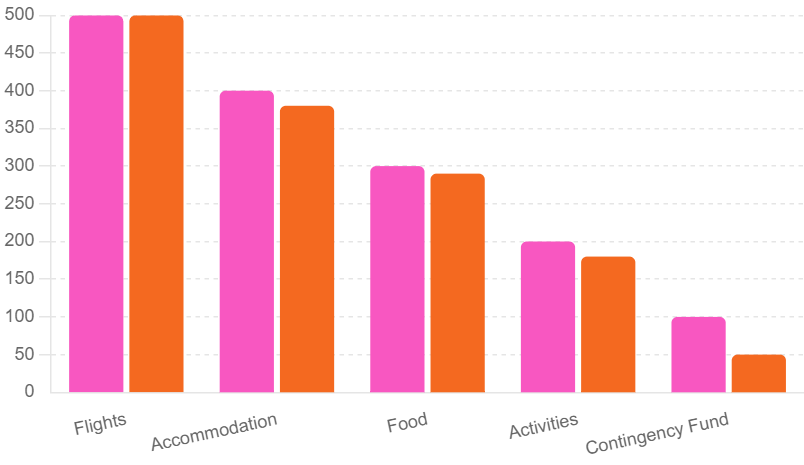
Budgeting: She created a detailed budget spreadsheet, allocating specific amounts for flights ($500), accommodation ($400), food ($300), activities ($200), and a contingency fund ($100).
Strategies to Avoid Shiny Object Syndrome:
Flexible Itinerary: Emma planned her trip with a mix of pre-booked activities and free time for spontaneous exploration. She prioritized visiting iconic landmarks like the Colosseum and the Vatican but left afternoons open for wandering through local neighborhoods and discovering lesser-known spots.
Daily Spending Limits: She set a daily spending limit of $100, which helped her manage her expenses effectively. Emma used a travel app to track her spending in real-time and adjusted her plans if she approached her daily limit.
Focus on Experiences Over Material Goods: Emma focused on experiences like a pasta-making class in Rome and a bike tour in Florence rather than buying souvenirs. She documented her travels with photos and journal entries instead of spending on trinkets.
Avoid Impulse Decisions: Whenever Emma was tempted by an unexpected tour or a tempting purchase, she gave herself 24 hours to decide. This pause often helped her realize that the initial allure was not worth the expense.
Stay Informed About Costs: Emma regularly checked online resources for the latest prices of attractions and transportation. She discovered that booking tickets for the Colosseum in advance saved her both time and money.
Utilize Travel Apps and Tools: She used apps like Hopper to monitor flight prices, Booking.com for accommodation deals, and XE Currency to keep track of currency exchange rates. This tech-savvy approach ensured she got the best deals possible.
Outcome: Emma completed her two-week Italian adventure under budget, spending only $1,400. She enjoyed a mix of cultural experiences, delicious local cuisine, and spontaneous adventures without falling victim to Shiny Object Syndrome.
Lessons Learned:
Thorough Research Pays Off: Emma’s extensive research allowed her to find affordable yet enriching experiences. Knowing the best times to visit attractions and finding budget-friendly alternatives helped her stretch her budget further.
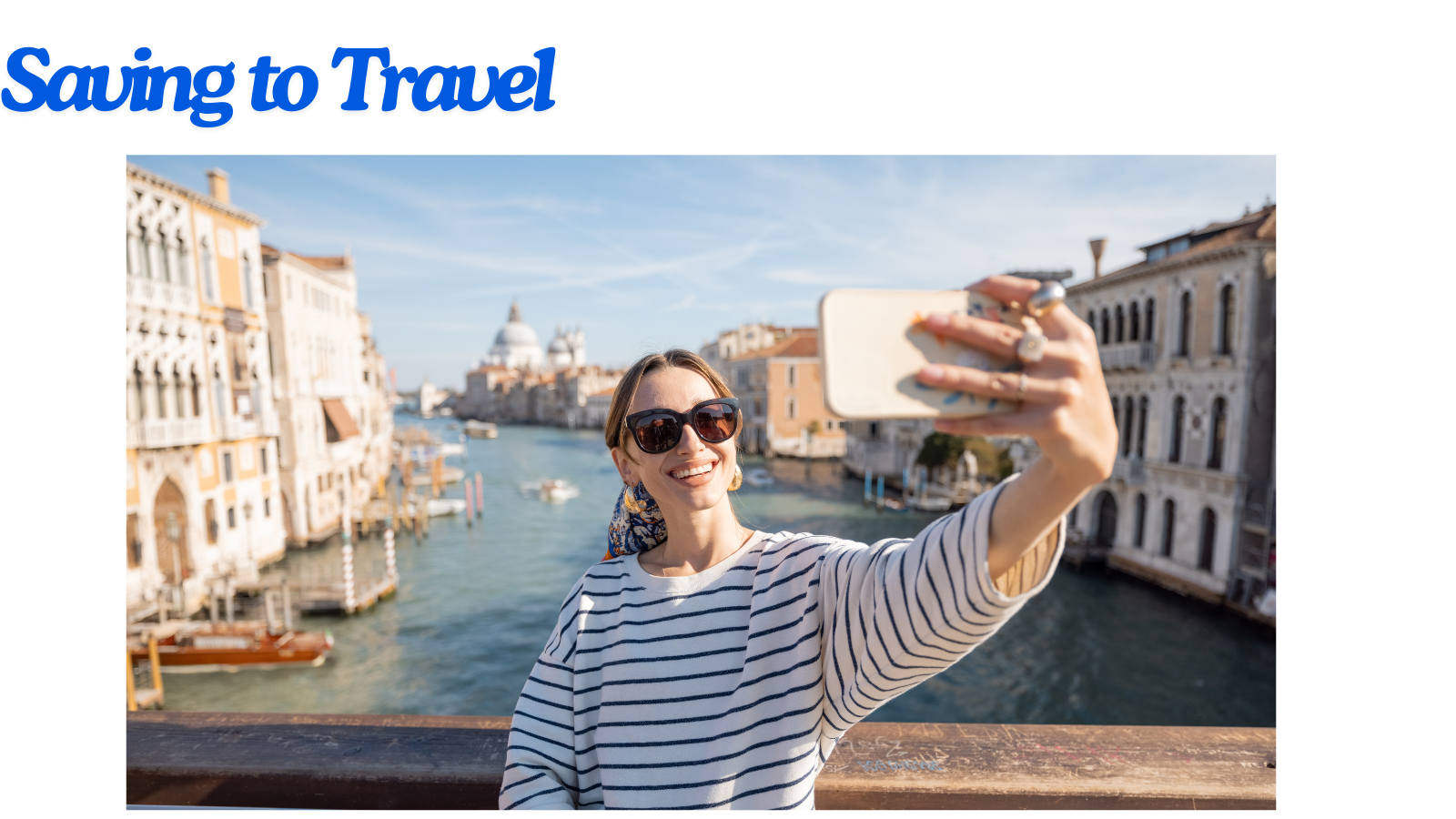
Focus on Experiences Over Material Goods: Emma focused on experiences like a pasta-making class in Rome and a bike tour in Florence rather than buying souvenirs. She documented her travels with photos and journal entries instead of spending on trinkets.
Avoid Impulse Decisions: Whenever Emma was tempted by an unexpected tour or a tempting purchase, she gave herself 24 hours to decide. This pause often helped her realize that the initial allure was not worth the expense.
Stay Informed About Costs: Emma regularly checked online resources for the latest prices of attractions and transportation. She discovered that booking tickets for the Colosseum in advance saved her both time and money.
Utilize Travel Apps and Tools: She used apps like Hopper to monitor flight prices, Booking.com for accommodation deals, and XE Currency to keep track of currency exchange rates. This tech-savvy approach ensured she got the best deals possible.
Outcome: Emma completed her two-week Italian adventure under budget, spending only $1,400. She enjoyed a mix of cultural experiences, delicious local cuisine, and spontaneous adventures without falling victim to Shiny Object Syndrome.
Lessons Learned:
Thorough Research Pays Off: Emma’s extensive research allowed her to find affordable yet enriching experiences. Knowing the best times to visit attractions and finding budget-friendly alternatives helped her stretch her budget further.
Budgeting and Tracking Are Essential: Setting a clear budget and tracking expenses in real-time kept Emma accountable and mindful of her spending. This approach ensured she didn’t overspend and had funds available for unexpected opportunities.
Value Experiences Over Purchases: Prioritizing experiences over material goods enriched Emma’s travel without straining her finances. The memories and skills she gained were far more valuable than any souvenir.
The Power of Patience: Taking time to decide on unplanned expenses helped Emma avoid impulsive decisions that could have disrupted her budget. This patience allowed her to enjoy her trip fully without financial stress.
Leveraging Technology: Using travel apps and tools helped Emma find the best deals and manage her budget effectively. Technology can be a powerful ally in planning and executing a budget-friendly trip.
Emma’s journey demonstrates that with careful planning, disciplined budgeting, and a focus on value-driven travel, it’s possible to have a fulfilling and memorable trip without succumbing to Shiny Object Syndrome.
Avoiding Shiny Object Syndrome (SOS) is crucial for budget travelers to ensure a fulfilling and financially sound travel experience.
By setting clear priorities, creating a flexible itinerary, setting daily spending limits, focusing on experiences over material goods, avoiding impulse decisions, staying informed about costs, and utilizing travel apps and tools, travelers can enjoy their adventures without falling victim to unnecessary expenses.
Emma's case study exemplifies how careful planning and disciplined budgeting can lead to a memorable trip that stays within budget.
Emma's Travel Expenses
Expense Categories for Budget & Actual Spent
Plan your next trip mindfully and implement these strategies to avoid Shiny Object Syndrome. By prioritizing what truly matters and being disciplined with your budget, you can make the most of your travel experiences.
Share your own tips or experiences on staying within budget while traveling in the comments below. Let’s create a community of savvy travelers who inspire and learn from each other!
Suggested Websites: Quest Against Shiny Object Syndrome (SOS)
Here are a few Sites to review
Budgeting Tools:
Finding Affordable Accommodation:
Affordable Experiences:
Avoiding Impulse Decisions:
Eating Local Cuisine:

© thinksavvytravel.com